From Catch to Cuisine: Mastering Fish Filleting With the Right Knife
Developing the art of fish filleting calls for a blend of proficiency and the right tools. A well-chosen knife can prove decisive in reaching exactness and quality. With a clean workspace and essential techniques at hand, anyone can elevate their gastronomic creations. Nevertheless, frequent errors can obstruct advancement. Recognizing these details is vital for success. The journey from catch to exquisite cuisine commences here, and the subsequent steps will reveal the key to perfect fillets.
Picking the Ideal Knife for Cleaning Fish
Finding the best knife for filleting fish is important to achieving accurate cuts. A filleting knife typically has a slender, flexible blade that enables easier maneuvering around bones and skin. Most filleting knives range from six to nine inches long; the choice usually depends on the size of the fish being prepared. The blade's material, such as stainless steel or high-carbon steel, plays a key role in durability and sharpness. A balanced handle, often crafted from wood or synthetic materials, ensures comfort during use and reduces hand fatigue. Furthermore, some knives feature a tapered design that enhances control and precision. Choosing a knife with a good grip and a keen-edged blade can significantly improve the filleting process, resulting in perfectly cut fillets. Therefore, spending time selecting the ideal knife is essential for anyone eager to master fish filleting.
Get Your Space Ready for Butchering Fish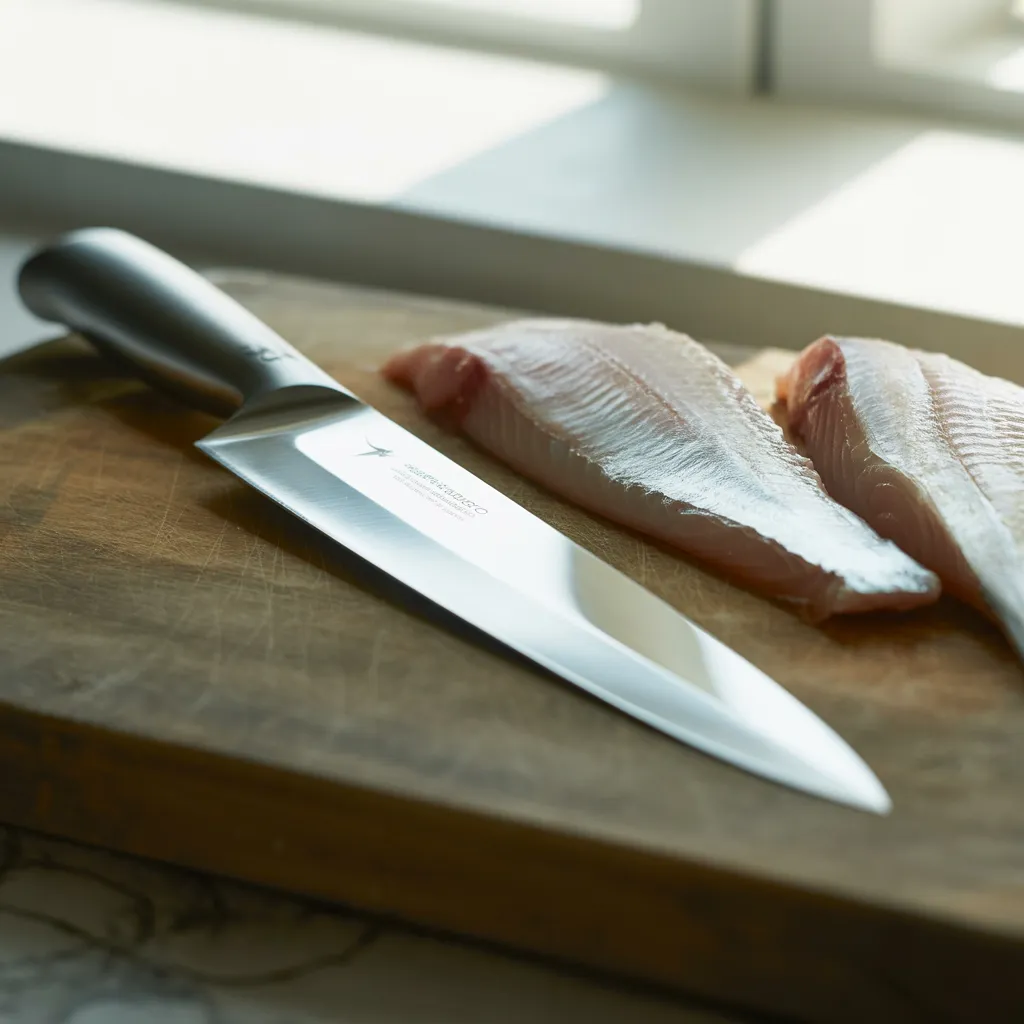
Preparing the workspace for fish filleting is as important as selecting the right knife. A clean, organized area guarantees efficiency and safety during the process. The ideal workspace should be a level, robust surface, ideally a designated cutting board that can endure the use of sharp knives.
It is important to keep all necessary tools within reach, including a filleting knife, cutting board, and a bowl or container for the discarded parts. Proper lighting is also essential; a properly lit workspace allows for greater visibility of the fish's structure and any delicate filleting tasks.
Additionally, it is recommended to keep a damp cloth nearby for fast cleanup, reducing the danger of slips. Finally, confirming that the workspace is without interruptions promotes focus and precision, ultimately bringing about better results. A well-prepared environment contributes greatly to mastering the art of fish filleting.
Important Skills for Preparing Fish: A Methodical Primer
Choosing the correct knife is vital for making clean cuts in the procedure of deboning fish. Understanding the various deboning techniques enhances efficiency and precision. This guide will outline the core steps to perfect the art of fish filleting.
Choosing The Right Knife
A dependable knife is mandatory for competent fish filleting, as it not only refines precision but also delivers a clean cut. The suitable knife for this task is flexible and sharp, typically featuring a long, narrow blade that allows for intricate cuts along the fish's spine and ribs. A filleting knife, often around 7 to 9 inches in length, provides the right balance between control and reach. Handle materials, such as wood or plastic, should offer a comfortable and secure grip to prevent slippage during use. Additionally, a conscientiously cared for knife, regularly sharpened, will perform better and reduce the risk of injury. Choosing the right knife ultimately contributes to a smoother, more efficient filleting experience.
Fillet Preparation Approaches Elucidated
Having the right knife in hand, the focus shifts to the techniques that will ensure superior fish filleting. To begin with, anchoring the fish on a pristine, firm surface is essential. The knife should cut along the backbone, starting just behind the head and progressing towards the tail. A gentle sawing motion aids separate the flesh from the bones without tearing. Thereafter, the fillet must be carefully removed, making certain all pin bones are discarded. For skinning, the fillet is positioned skin-side down; the knife's blade edge is used to pass between between the skin and flesh. Finally, trimming any remaining bones or imperfections completes the process, yielding perfectly filleted fish ready for start here culinary use. Mastery of these techniques enhances both efficiency and results.
Top 5 Issues to Sidestep While Filleting Fish
Fish filleting requires precision and skill, yet many novice fishers encounter common pitfalls that can ruin the process. The main mistake is choosing the wrong knife; a filleting knife is critical for sharp cuts. Applying excessive pressure is another common error that damages the flesh instead of slicing it neatly. Also, not removing all bones can lead to a disagreeable eating experience, so attention to detail is essential. Many fishers miss working along the fish’s natural lines, which results in loss of meat. Finally, not preparing a clean workspace can cause contamination and decrease efficiency. Avoiding these five mistakes allows novice fishers to greatly improve their filleting technique, producing a top-quality product and a more enjoyable cooking experience. Mastering these basics lays the foundation for a flawless shift from catch to cuisine.
Maintaining Your Filleting Knife: Essential Tips
Sustaining a fillet knife is necessary for peak performance and safety. Regular sharpening methods, suitable cleaning practices, and secure storage methods provide the knife stays sharp and sturdy. Through following these vital recommendations, operators can lengthen the lifespan of their filleting knife and amplify their seafood preparation experience.
Routine Refining of Techniques
Regularly honing a filleting knife is critical for achieving clean cuts and ensuring safety in the process of fish filleting. A dull blade can slip, raising the risk of injury and reducing the quality of the fillet. Sharpening can be done by different methods like a whetstone, honing rod, or electric sharpener. Using a whetstone needs skill but gives precise control, whereas honing rods are easier and perfect for quick touch-ups. Electric sharpeners provide convenience but may remove more metal than desired. Regardless of the method chosen, maintaining a consistent angle while sharpening is vital. Moreover, sharpness can be tested by slicing a piece of paper; a clean cut reveals a well-sharpened knife, suitable for effective filleting.
Proper Cleaning Techniques
A spotless filleting knife is vital for ensuring both food safety and ideal performance. Proper cleaning techniques guarantee the knife remains sharp and free from contaminants. After every use, rinse the knife immediately under warm water to clear away any fish residue. Using a gentle sponge or cloth, gently scrub the blade while avoiding abrasive materials that could harm the finish. It is critical to dry the knife completely to avoid rust and corrosion. Regular inspections for signs of wear or damage during cleaning can help maintain the knife’s functionality. Carrying out these cleaning measures not only prolongs the knife’s lifespan but also fosters a hygienic environment for food preparation.
Secure Storing Guidelines
Proper cleaning is important for a filleting knife’s longevity, and safe storage practices are just as necessary. Correct storage of the knife can avoid damage to both the blade and the user. Using a fitting knife sheath or blade guard is recommended to shield the edge and assure safety during handling. Magnetic strips are also beneficial for easy access and visibility, thereby reducing the risk of accidents. It is best to store the knife in a dry place to stop rust and corrosion. Furthermore, keeping the knife away from bulky kitchen tools decreases the risk of dulling or chipping the blade. By applying these storage methods, one can prolong the filleting knife’s lifespan and ensure safe usage.
Cooking Advice and Recipes to Improve Your Filleted Fish
Learning key preparation methods that enhance taste and feel is vital for perfecting filleted fish. Searing in a pan stands out as one effective method that creates a crunchy outside and preserves moisture inside. A heated pan plus a touch of oil allows the Maillard reaction, intensifying the fish's natural flavors.
Additionally, marinating the fillets in citrus juices, herbs, or spices for 30 minutes can fill them with rich flavor. Oven-cooking is another superb alternative, particularly when matched with a layer of breadcrumbs and parmesan for added crunch.
For an rejuvenating take, try making fish tacos with a tangy slaw and avocado. As an alternative, a straightforward lemon-butter sauce can improve any dish, emphasizing the refined flavors of the fish.
Testing different cooking techniques and taste combinations empowers home cooks to create memorable meals that display their newly filleted catch.
Step-by-Step Guide to Filleting Various Fish Species
Perfecting the art of fish butchering is key to reaching the best gastronomic results. Each variety requires a customized approach to ensure optimal yields and quality. For flat-bodied fish, such as flounder, one should start by placing the fish skin-side down, making a cut behind the head, and then gliding the knife along the backbone. In contrast, filleting round fish, like trout, involves a similar initial cut but requires close attention to the rib bones. For bigger fish, such as salmon, a lengthy, supple knife is essential. After making the initial cut, the filleting knife should move along the spine, separating the flesh from the bones with precision. Following these methods not only maximizes the amount of fillet obtained but also improves the overall texture and flavor of the fish, rendering it an invaluable skill for any cooking professional.
Often Asked Inquiries
What Should I Think About When Selecting the Right Fish for Filleting?
Identifying the right product for filleting calls for opting for fresh firm specimens. Sought-after options encompass salmon, trout, and snapper, esteemed for their manageable scale and meat quality, affording easier handling and superior performance within the deboning undertaking.
Is It Possible to Use a Conventional Kitchen Knife for Filleting?
Removing fillets with a regular kitchen knife is doable, though it may miss the accuracy and adaptability that a dedicated filleting knife offers. A specialized filleting tool produces neater slices and superior outcomes in fish filleting.
What Should I Do With Fish Waste After Filleting?
After preparing fish, one should contemplate making compost from scraps, using them for fish stock, or donating to local wildlife. Disposing of them properly guarantees little waste while optimizing the advantages of the entire fish.
How Much Time Is It Possible to Preserve Filleted Fish?
Filleted fish can be kept in the refrigerator for up to two days, whereas placing in the freezer extends its shelf life to six months. Correct wrapping minimizes freezer burn, ensuring quality and freshness for later cooking needs.
Are There Any Safety Guidelines for Fish Filleting?
When filleting fish, one should consistently use a sharp knife for detail, maintain a hygienic workspace to reduce contamination, verify hands and surfaces are dry, and prioritize safety by positioning fingers away from the blade's edge.